The short version
We come to you with our trusty calibrated scales, find a level patch of ground, and spend about an hour and a half weighing everything that matters. You drive on the scales, we do the weighing, and you drive off knowing exactly what your rig weighs — every wheel, every axle, the tow ball, the lot. Then we sit down with you and explain what it all means.
No workshop. No estimates. No raised eyebrows.
What we actually weigh
Your tow vehicle. Front axle, rear axle, total weight. Loaded the way you'd actually travel in it. This means fuel, all your gear, the dog bed, the kids and whatever's in there.
Your caravan, trailer, boat, horse float, tradie trader. Each axle individually, plus the total. If it's a tandem, we weigh both axles separately so you can see if the load's sitting evenly.
Your tow ball mass. Measured properly, not guessed from the spec sheet. This one matters more than most people realise.
The whole combination. What it all weighs hitched up and ready to roll — and how that weight is spread across the setup.
If you've got a boat on the roof, a motorbike on the back, jerry cans, water tanks, the lot and we factor it all in. If it goes on the road, we can weigh it.
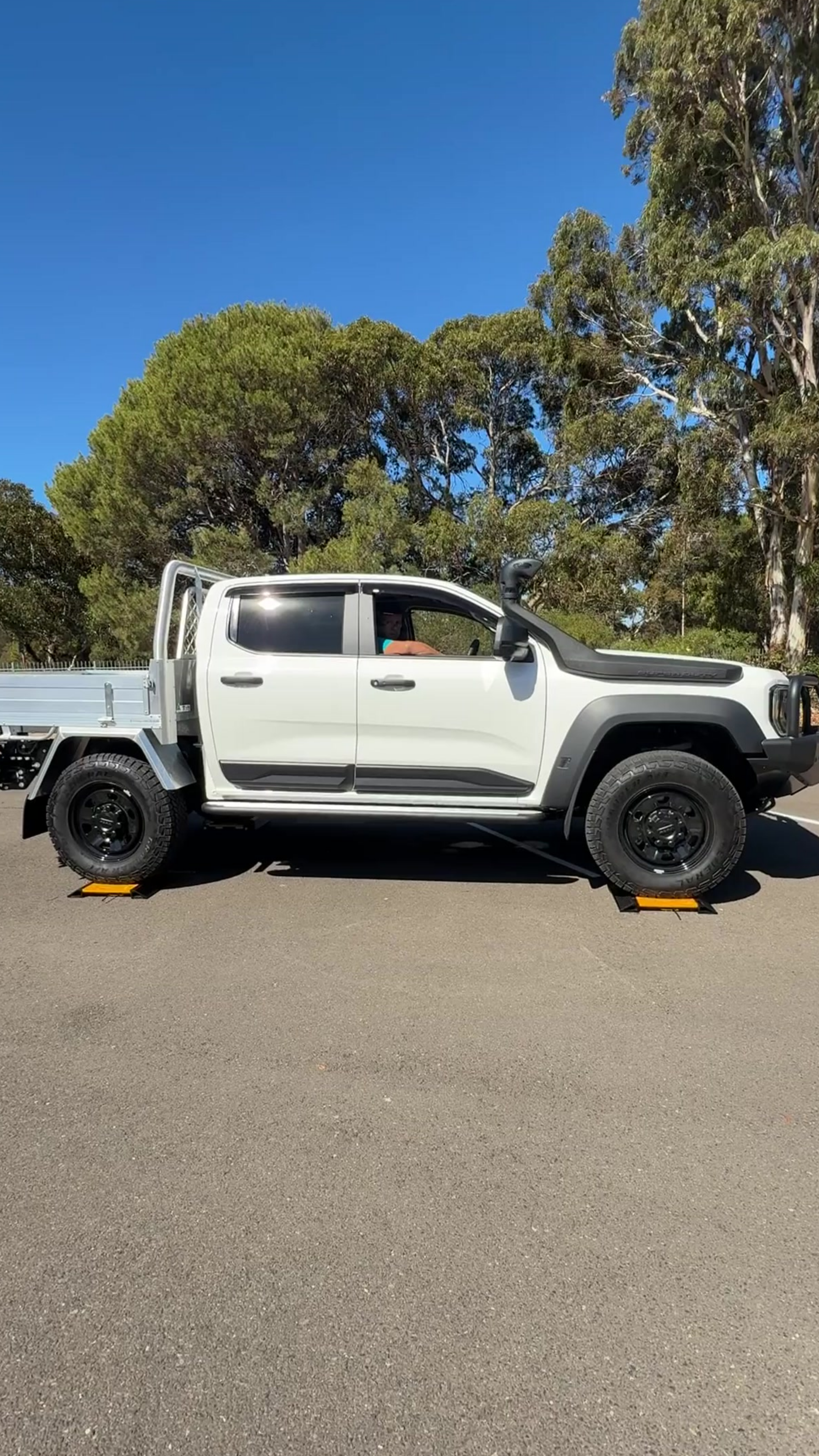
Thinking of buying? Weigh First
Whether you're shopping for a new van, eyeing off a second-hand one, or wondering if your current tow vehicle is really up to the job, getting the weights checked before you sign anything is one of the smartest moves you can make. We'll tell you, in plain English, what your numbers actually look like, so you walk into the deal knowing exactly what you're getting yourself into. [Dedicated service page coming soon, just give us a call in the meantime.]
The acronyms
What on earth do they all mean?
Vehicles and trailers come with their own dictionary when it comes to weights,, and most of it sounds like a it comes straight from a 3 letter agency in the US. Here's what the letters actually mean:
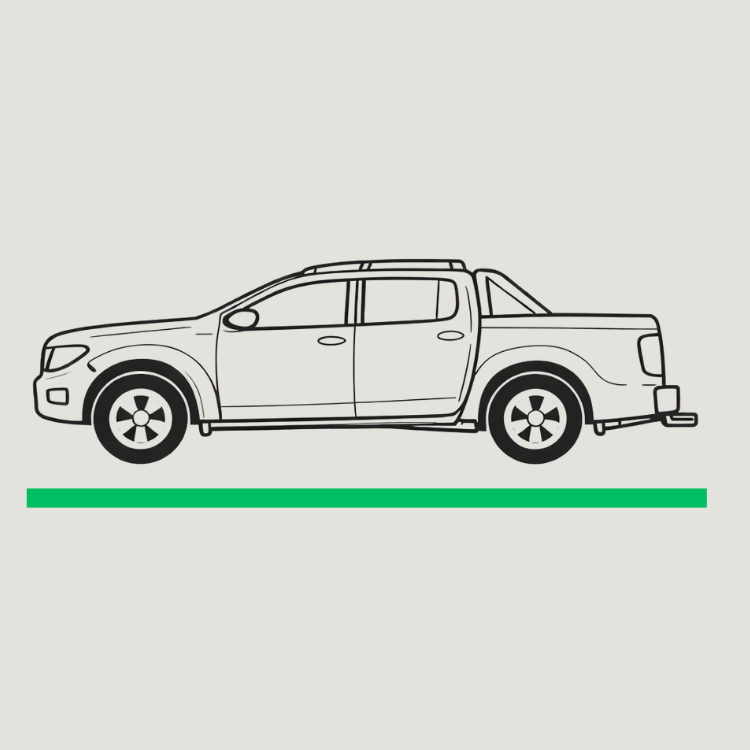
GVM (Gross Vehicle Mass) — the maximum legal weight of your tow vehicle. Loaded up, bull bar, winch, spotlights, roof rack, full tank, passengers, gear and all. The full load transferred to the ground.
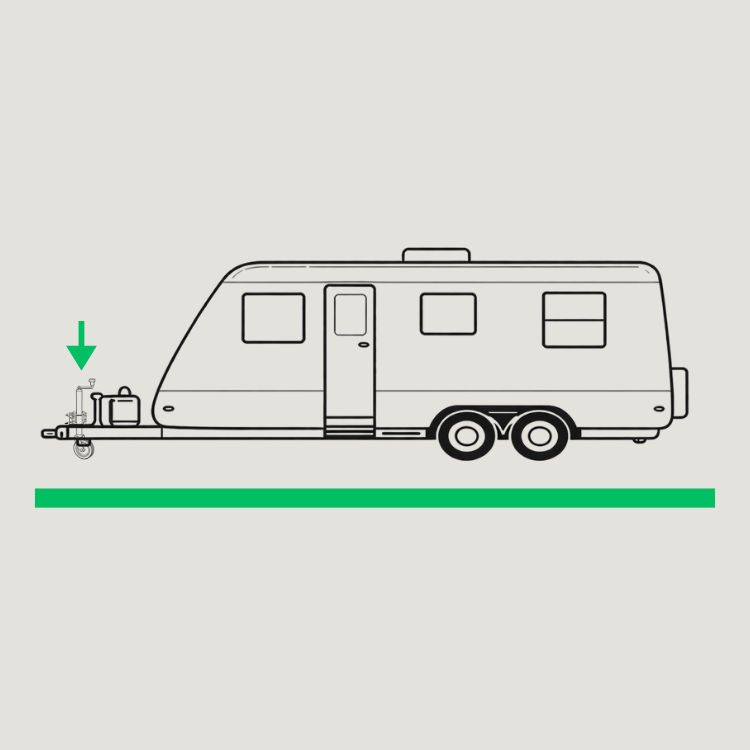
ATM (Aggregate Trailer Mass) — the maximum your caravan is allowed to weigh when it's sitting on its own legs, unhitched. This means the full water tanks, the air fryer, coffee machine The full load of the caravan weight transferred to the ground including through the jockey wheel.
GTM (Gross Trailer Mass) — what your caravan weighs while it's hitched to the car (so, minus whatever's pressing down on the tow ball). The full load of the caravan transferred to the ground whilst supported / hitched to your tow vehicle
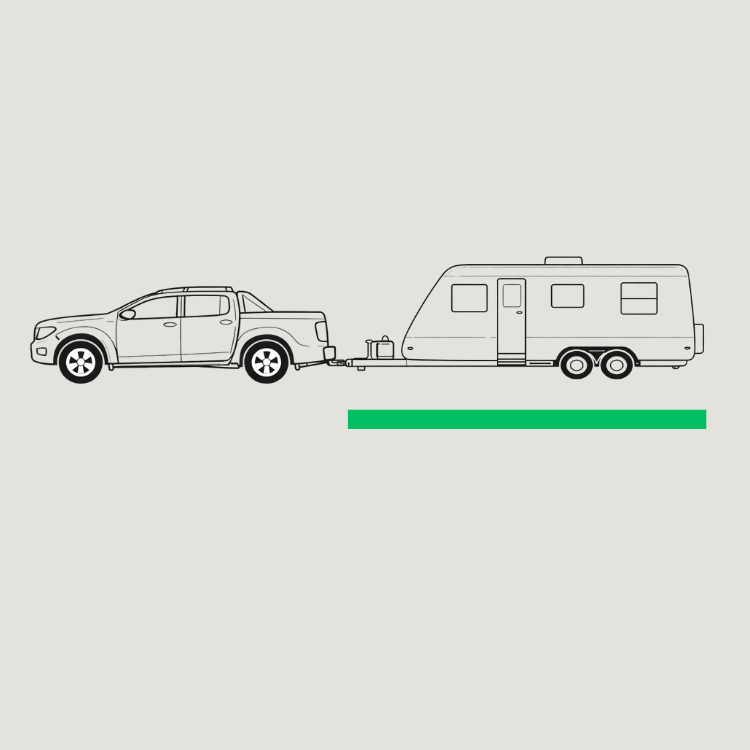
GCM (Gross Combination Mass) — the maximum the whole show is allowed to weigh together — car plus trailer. The combined load of both the Car and trailer that is transferred to the ground.
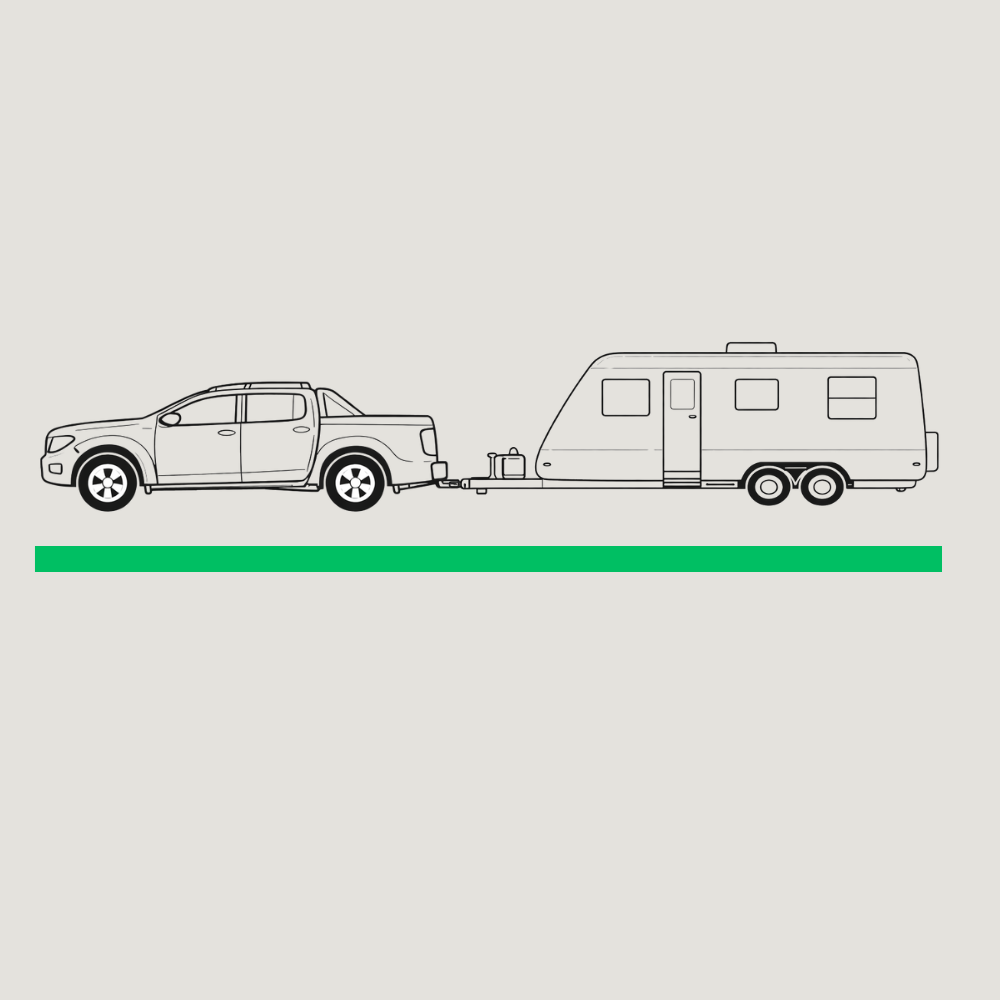
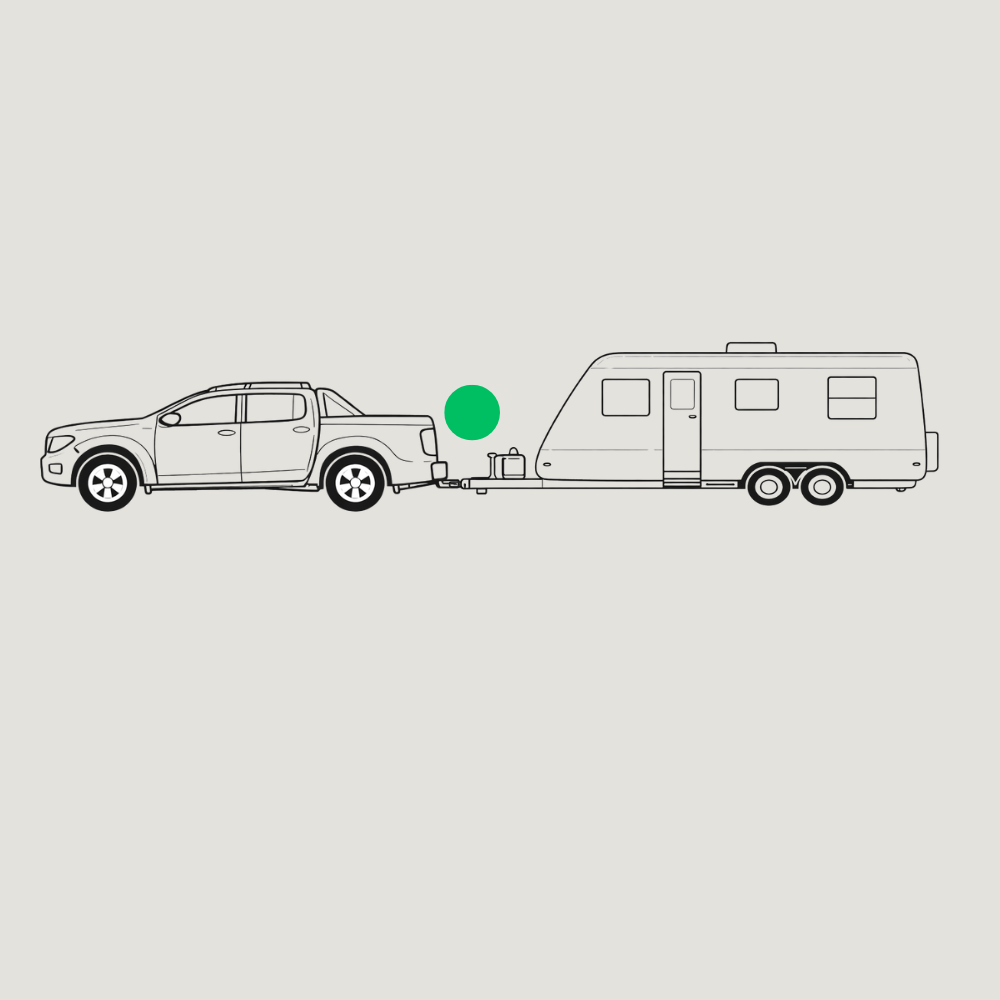
TBM (Tow Ball Mass) — how hard your van is pushing down on the tow ball of your car.
KERB or TARE — The weight of your vehicle from the showroom floor This means before any accessories gear and equipment has been placed on or in the vehicle. Kerb weight may include a small amount of fuel in the tow vehicle.
Payload — and the one nobody talks about: the gap between what your vehicle weighs empty (Kerb or Tare weight) and its GVM / ATM. Every accessory, every passenger, every jerry can eats into it. So does the downward pressure from your tow ball. It's usually a lot less than people think. Your payload on the tow vehicle can reduce by 200-500 kilos when your van is attached to the car.
Some extras to ponder;
Front & Rear Axle Limits - Vehicle / trailer manufacturers specify the maximum load you can have on the axles of your vehicle. Many people over look this when they put the car over a weigh bridge. You can be within the legal GCM of your tow vehicle but unknowingly be way over on your rear axle limits.
We check every one of these against your compliance plates and tell you, in plain English, where you sit.
What you walk away with
A written report, emailed the same day, with all your numbers in one place — what the manufacturer says, what your rig actually weighs, and what that means in practical terms.
But honestly, the report's the easy bit. The real value is the conversation. We'll talk you through where your weight is sitting, what to shift if anything needs shifting, what tyre pressures suit your actual loads, and any quiet little issues we spot along the way.
You'll leave knowing your rig the way we know ours.
A note on what this isn’t
We're not engineers and we're not the police. We don't issue compliance certificates, and we don't dob anyone in. We measure, we explain, and we give you the information you need to make good decisions about your own setup.
What you do with it is up to you — but most people, once they know, want to get it right
If there are overlimit items that cannot be easily rectified through shifting, removing items and the like, then the report can be given to an aftermarket upgrade specialist to accurately determine what upgrade options may be applied to the vehicle. A GVM upgrade can increase limits of your vehicle including in some case the GCM even if the vehicle is not brand new.
Weights reflect the rig as presented on the day. Final responsibility for compliance with manufacturer specs and Australian road laws sits with the owner.